HMS Sappho Project
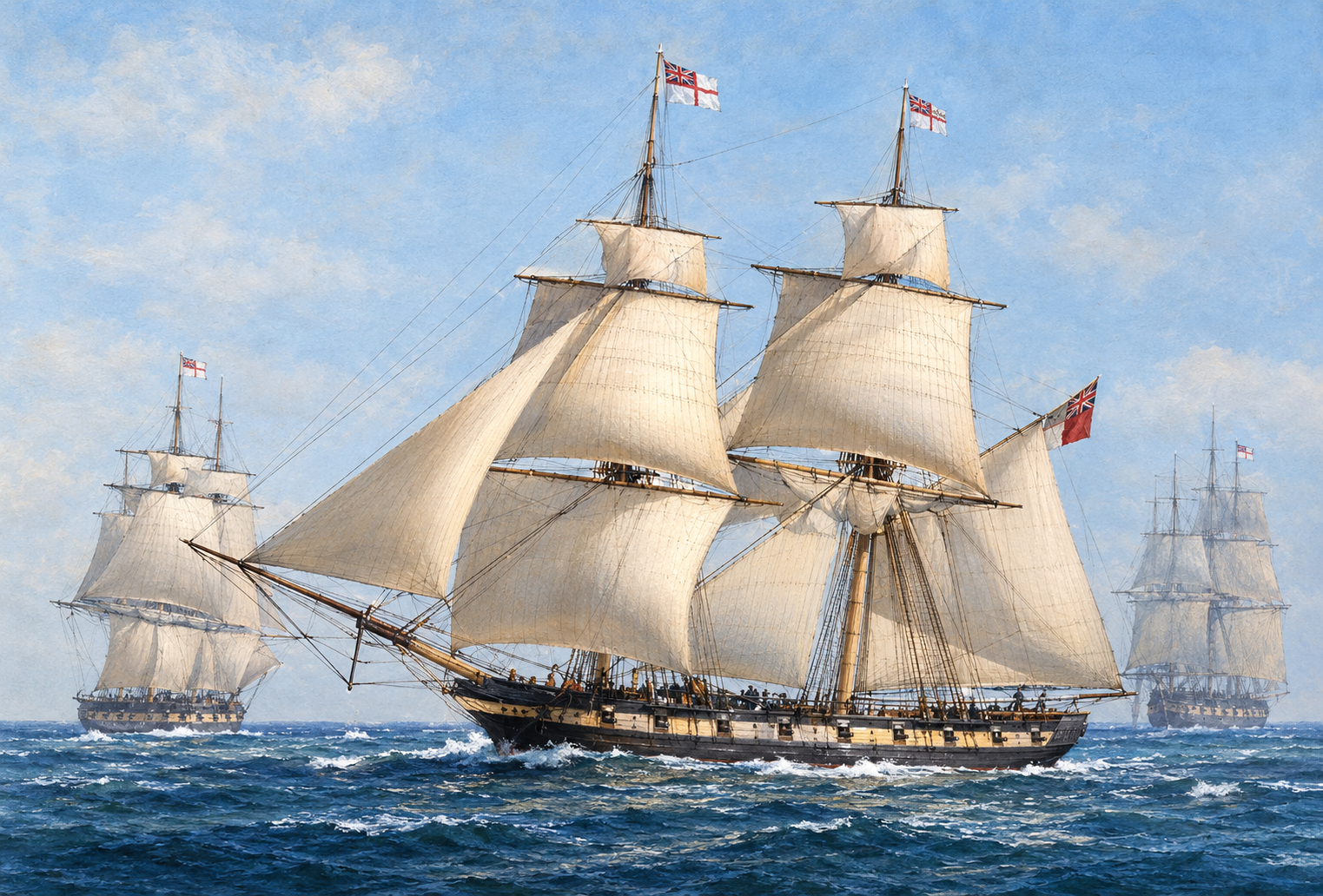
This is a project to locate and identify the HMS Sappho a 16 Gun British warship that was lost off the Victorian coast in 1858.
Built at Plymouth and launched in 1837 the Sappho was classed as a second-class brig with a main armament of sixteen guns. Built to fight the Slave ships she was designed for speed and firepower. The Sappho purpose was to apprehend these ships operating around the coastlines of the African continent. She did this successfully for a number of years.
After an incident with the American ship “Panchita” the Sappho was sent to the Australian colony for security via the Cape of Good Hope. She was expected in Sydney in April-May 1858 however by September she had not arrived. Her last sighting was off Cape Otway in February 1858 by the Brig “Yarrow”.
Almost a full year since the last sighting of the Sappho expeditions were mounted by the Elk and HMCS Victoria in February 1859 to search Bass Strait for the vessel. By this time the colonial authorities acknowledged that all 147 officers and men aboard the missing ship had perished with the ships fate unknown. The “Victoria” search included the coastline along Wilson’s Promontory together with a number of island groups in the area of the eastern entrance to Bass Strait, she returned to Port Phillip bay on 7 March having found no trace of the missing vessel. Similarly, the Elk had arrived at Port Phillip with no luck after searching the strait’s western entrance including the King Island coastline and its reefs. In late March of 1859, gratings were found on Flinders Island which were of similar construction to those on Royal Navy vessels. A few days later a lifebuoy with the initials B.O. of the same type used on Sappho was also located in the area. The markings “B ↑ O” found on Royal Navy life rings and equipment from the 1850s stand for the Board of Ordnance .
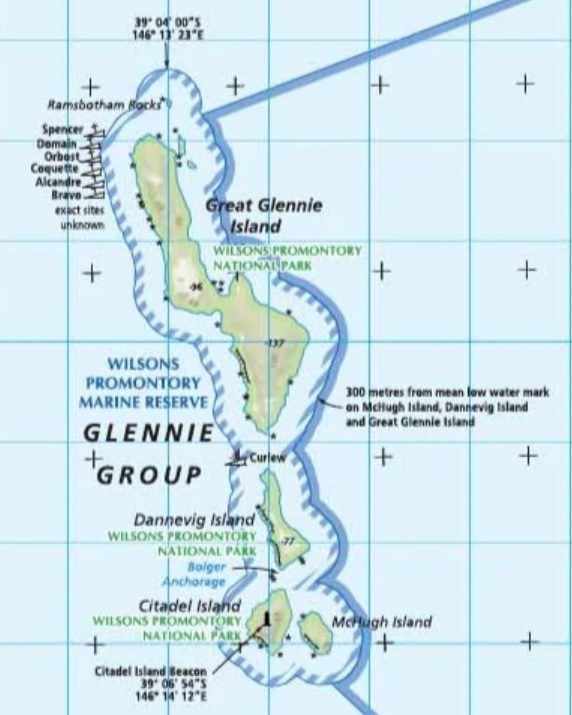
Then in mid-April 1859 the master of the schooner Little Pet reported that subsequent to 18 February 1858 he had observed two black topmasts “in deep water between Cape Liptrap and Glennies’ Island.” None of the recovered wreckage was ever to be positively identified as coming from the Sappho. After Fourteen months an inspection of the site where the topmasts had been identified failed to find any evidence of them.
IANTD in co-ordination with Southern Ocean Exlporers and the MAAV will launch regular searches to find this extremely important part of Australia’s Maritime history. Using modern technology and research with our dedicated members it is hoped to solve this enduring mystery. Thats where the story left off in 1859. With a liitle bit of luck and alot of perserverance we may open a new chapter on the HMS Sappho .
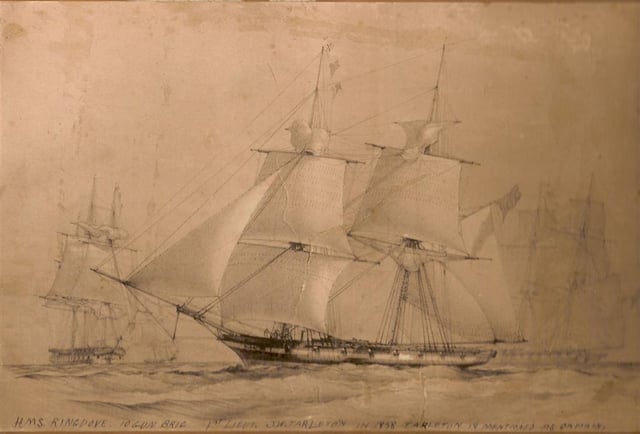
HMS Ringdove Sister Ship of the Sappho
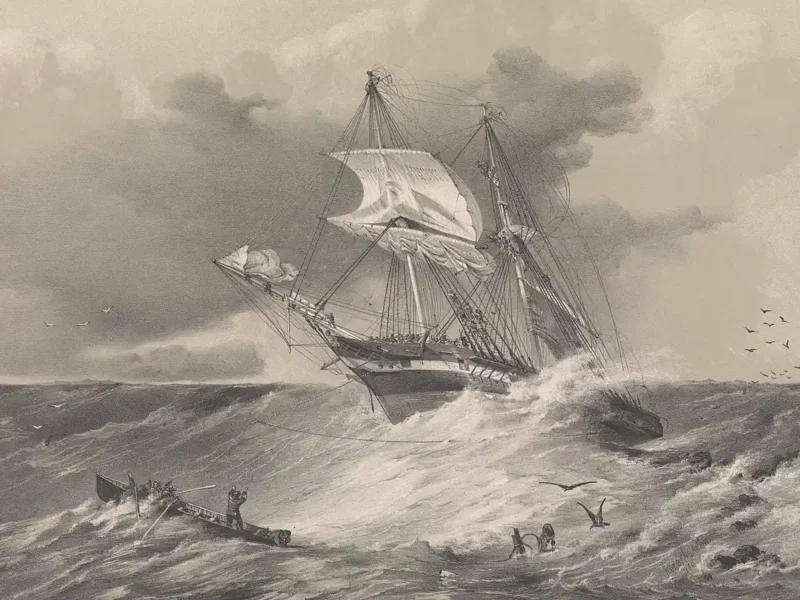
Below Pic of last reported sighting of Topmasts